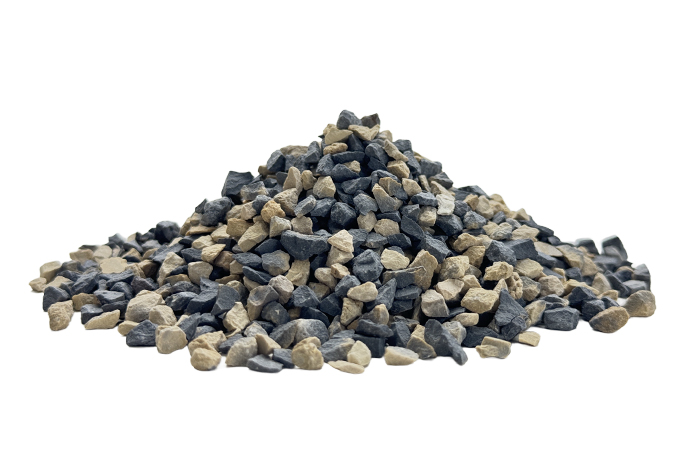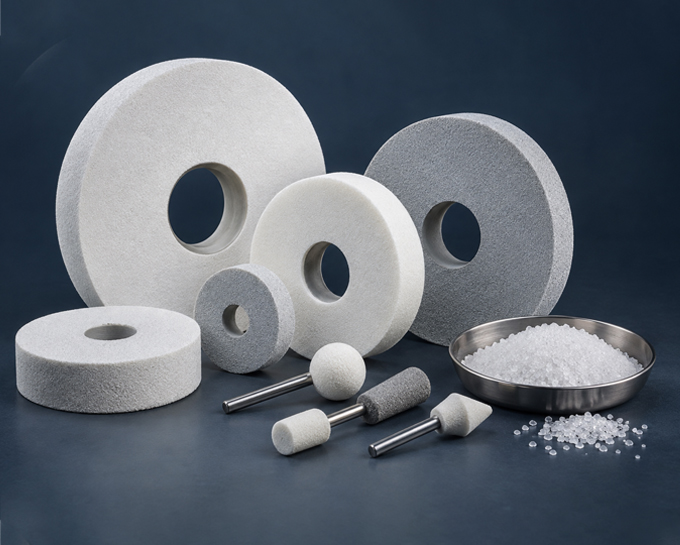
Precision grinding requires a balance between cutting action, tool wear and surface quality. The material specification should reflect the hardness of the workpiece, the contact conditions and the amount of stock to be removed.
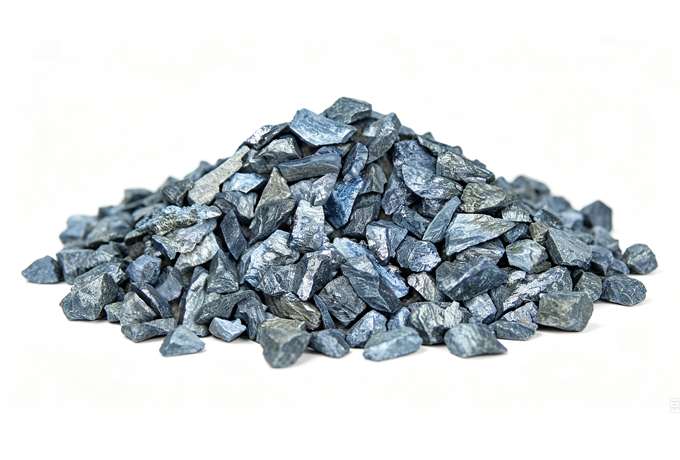
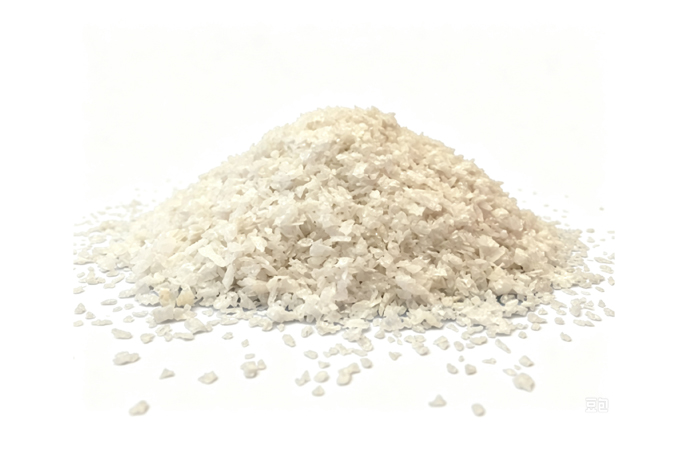
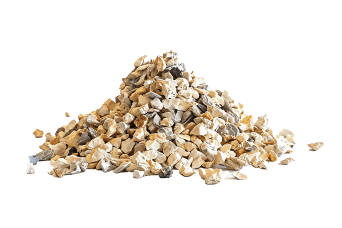
A suitable grain size distribution helps manufacturers control cutting action and surface finish. Coarser grades suit heavier material removal, while finer grades serve more delicate finishing tasks when matched to the workpiece and wheel design.
Abrasive characteristics work together with the bonding system and tool structure. Discuss your target particle range, bonding method and grinding conditions with us to define a specification for evaluation.
Our materials support surface preparation and fine finishing applications. The specification should reflect the required cleaning action, the sensitivity of the workpiece and the surface quality expected after processing.
For blasting, the grain size and operating conditions influence cleaning action and the resulting surface profile. The choice should reflect the substrate, coating requirements and acceptable level of material removal.
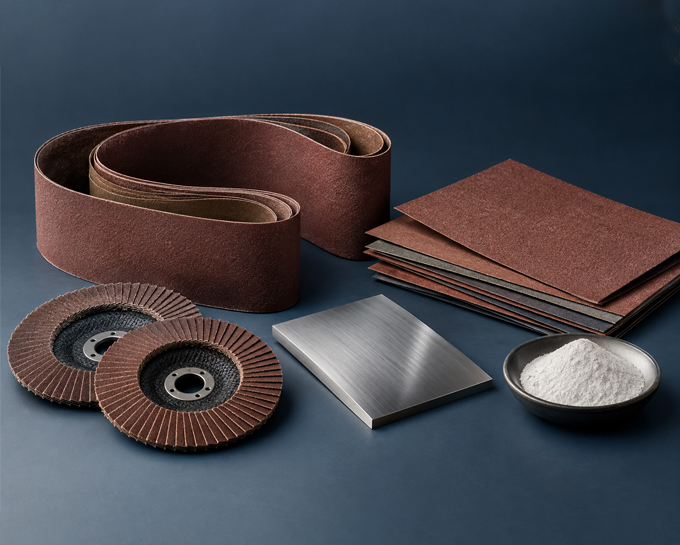
For coated abrasives, grain selection must suit the backing, adhesive and intended workpiece. For lapping and polishing, fine particle size distribution is especially important to the balance between stock removal and surface quality.
Tell us the material you process, the finish you need and your preferred grain or powder range. These details provide a practical starting point for selecting and testing a suitable grade.