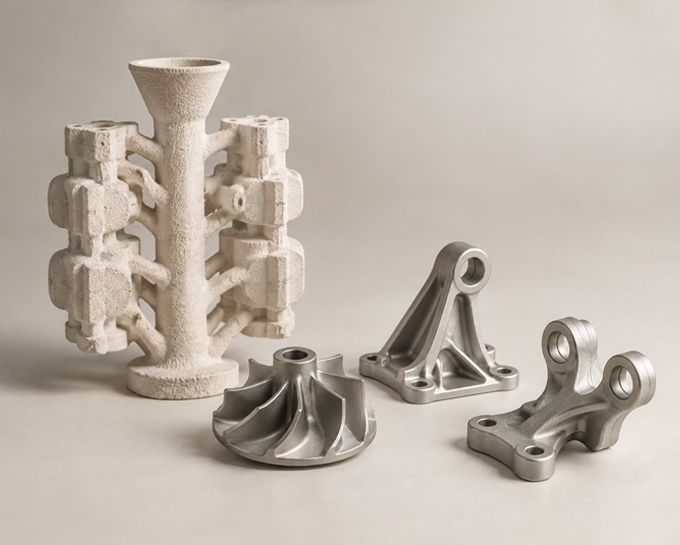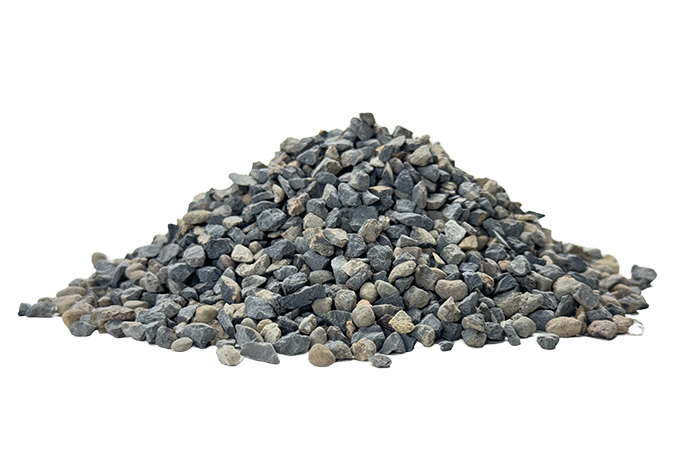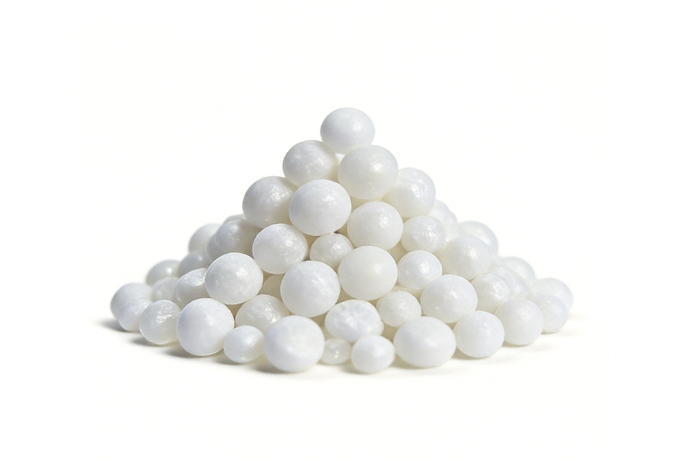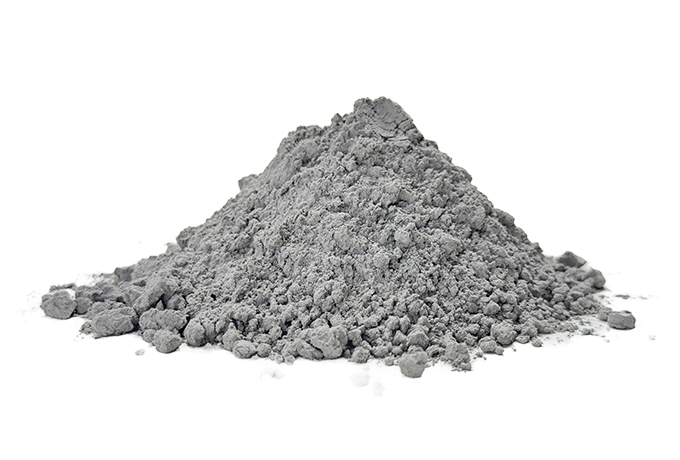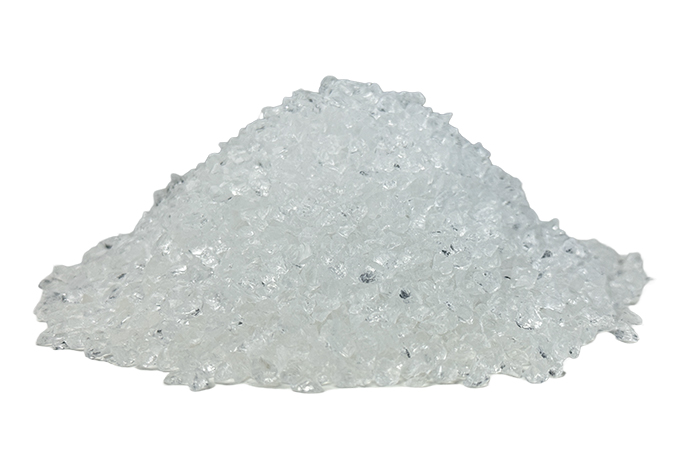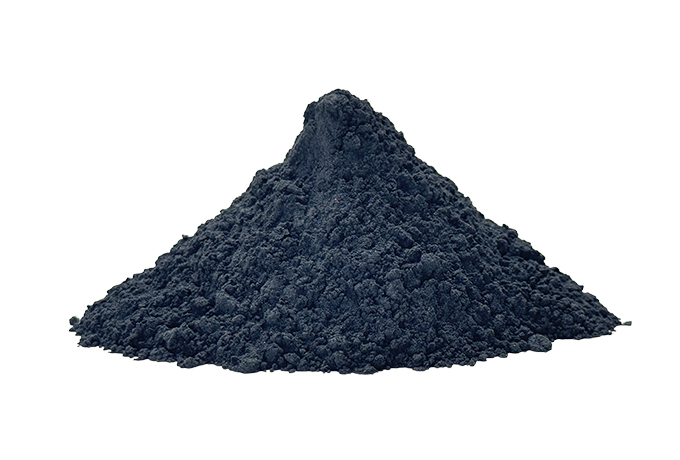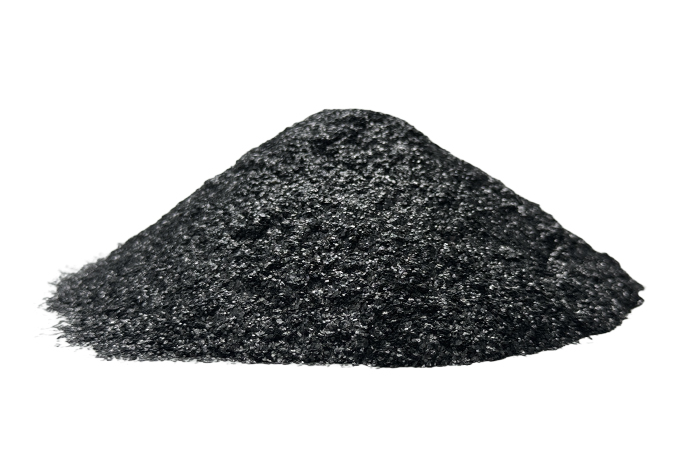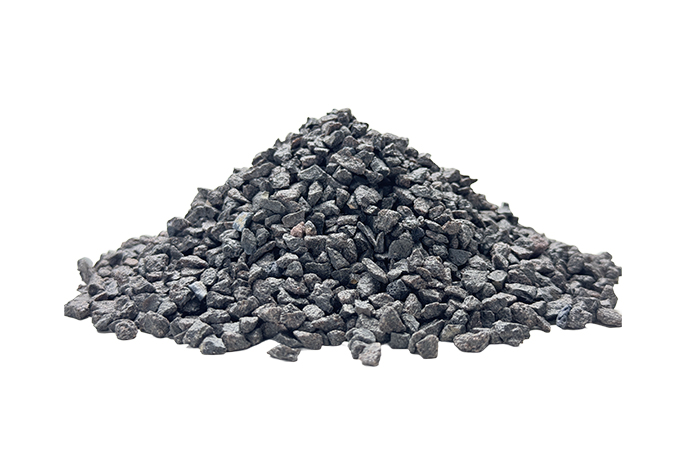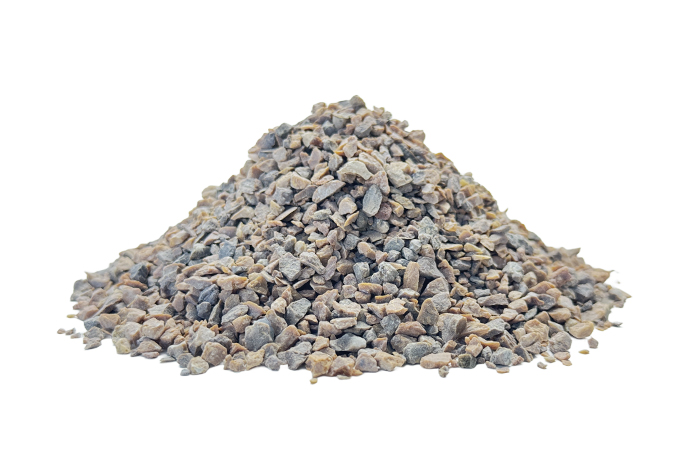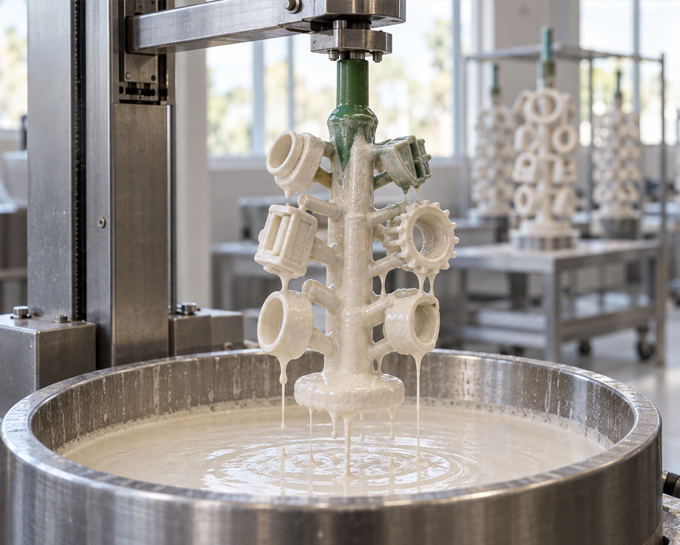
Ceramic shell preparation begins with a coating system matched to the wax pattern and casting process. A compatible combination of refractory material and binder forms the initial layer of a mould built through repeated coating and drying.
Particle size distribution influences coating behaviour and coverage. The first layer must suit the alloy and the required casting surface, while later layers contribute to the structure of the complete shell.
We focus on matching material characteristics to your shell process. Share your binder system, target particle range and casting alloy with us to discuss a specification for trials. Coating control, drying and firing remain essential to consistent results.
Shell building combines repeated coating, particle application and controlled drying around the wax assembly. Each stage contributes to the mould that will contain the metal during pouring and solidification.
Particle grading influences coverage and the structure of each layer. Finer particles are commonly considered for early coats, while coarser fractions may be used in subsequent layers according to the validated shell design.
Particle distribution and fines content should be specified together with the coating system and application method. The completed shell must balance strength, permeability and thermal behaviour through dewaxing, firing and metal pouring.
Tell us your coating sequence, current process conditions and casting requirements. These details help define a specification for evaluation, with attention to shell integrity, surface quality and consistency across production runs.