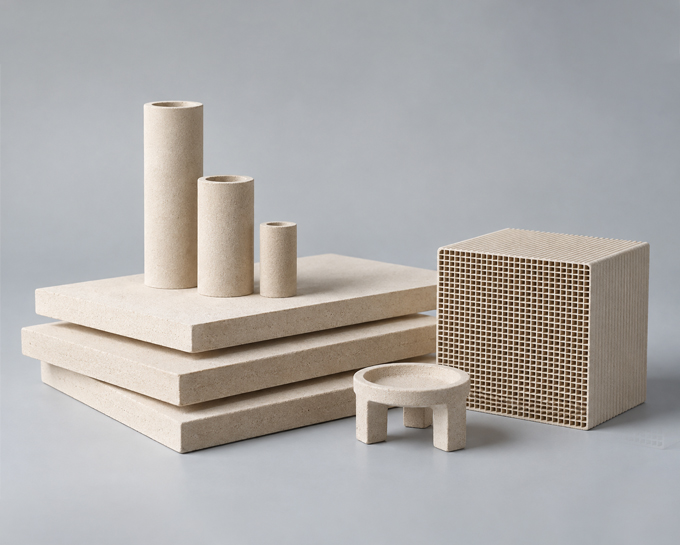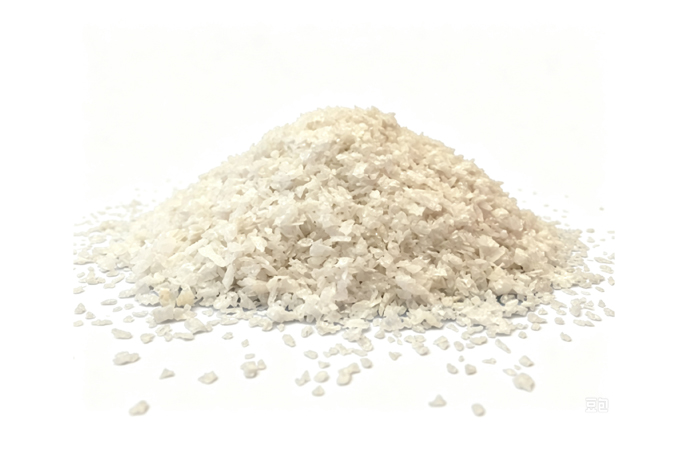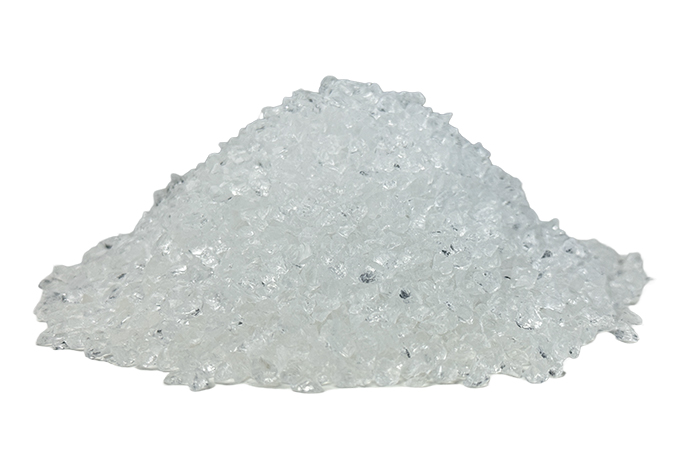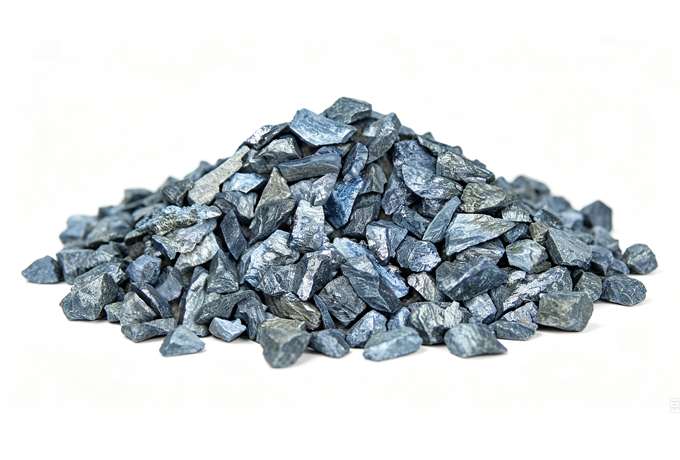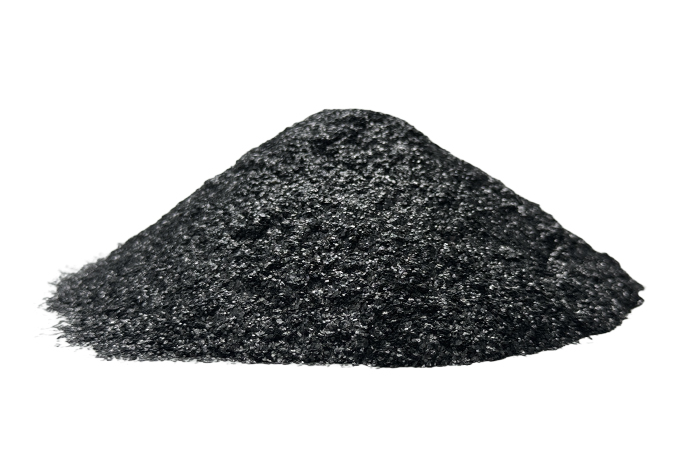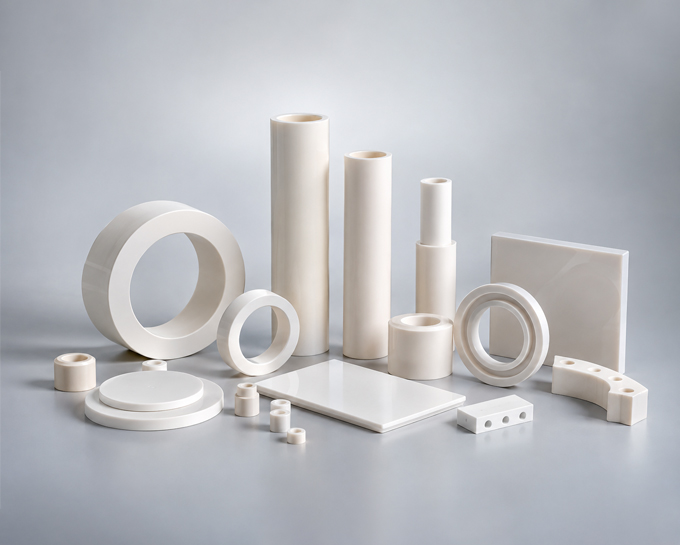
Technical ceramics serve applications where wear behaviour, electrical insulation or dimensional stability is important. Each application places different demands on the composition, structure and geometry of the finished component.
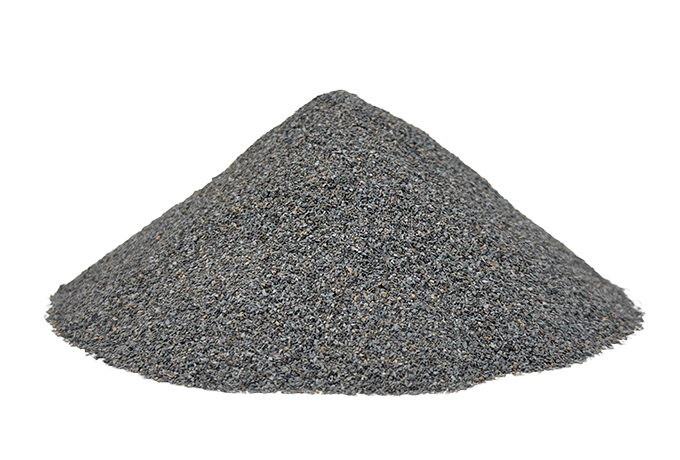
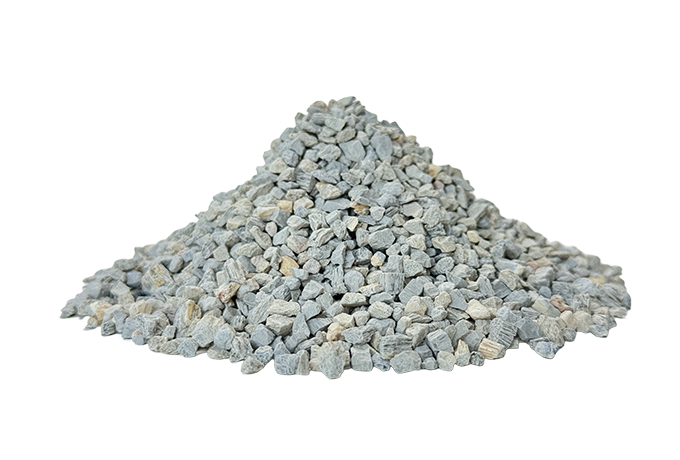
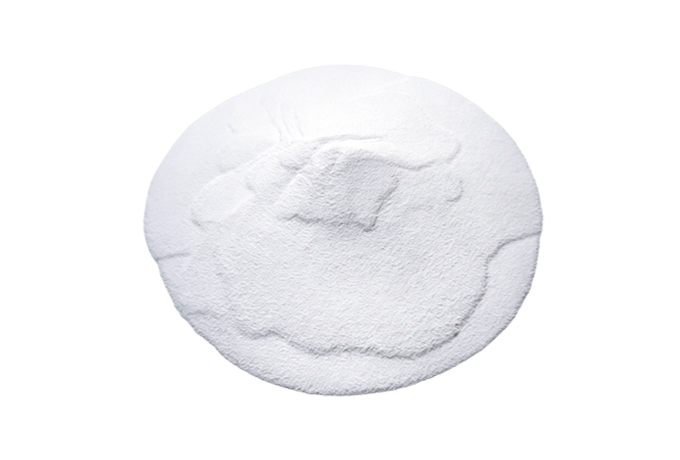
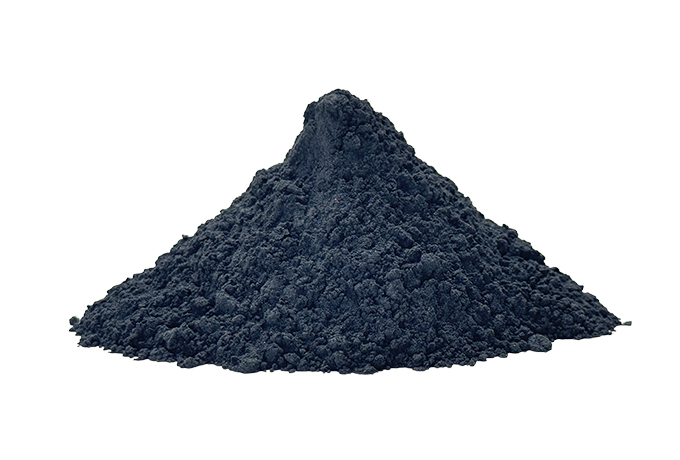
Powder purity and particle characteristics influence processing and the properties of the fired component. A suitable grade must work with the forming method, additives and firing schedule to achieve the intended density and dimensions.
Share your target composition, forming process and finished component requirements with us. These details help define a specification for evaluation, whether the priority is wear behaviour, insulation or dimensional consistency.
Repeated heating and cooling place demanding thermal loads on ceramic components. Material selection should consider thermal expansion, resistance to thermal shock and the mechanical demands of the application.
The material composition and firing process influence phase development and the properties of the finished body. Particle size, forming behaviour and porosity should be considered together with the required geometry and load.
For kiln applications, selection should account for firing temperature, heating and cooling rates, and the load being supported. Candidate formulations should be evaluated against the actual kiln cycle and service conditions.
Send us your ceramic application, forming method and target properties to discuss the material requirements for your next production trial.